use在英语中是一个常用词汇,其用法多样,以下是一些基本用法:
- 作为动词:表示“使用”某物或“利用”某种资源。例如:“We use pens to write.”(我们用笔写作。)“He uses drugs.”(他吸毒。)
- 表达“利用”:某种方法或手段。例如:“He uses a dictionary to look up new words.”(他利用字典查阅生词。)
- 描述“习惯于”:某种行为或状态。例如:“She is used to getting up early.”(她习惯于早起。)
- 在编程语言中:use用于引入库、模块或命名空间。例如:“Use the std::cout to print the message.”(使用std::cout来打印信息。)
- 表示“耗费”或“消费”:例如:“This car uses a lot of fuel.”(这辆车很耗油。)
- 在法律或正式文件中:use可以指“使用权利”。例如:“The lease grants the tenant the use of the premises.”(该租约授予租户使用该处所的权利。)
- 与“to”连用:表示目的。例如:“This tool is used to cut metal.”(这个工具是用来切割金属的。)“Wash your hands after using the toilet.”(如厕后请洗手。)“Use the stairs in case of fire.”(一旦失火,请走楼梯。)
- 在口语中:use可以表示“值得一提”或“有理由”。例如:“It's no use crying over spilt milk.”(覆水难收,哭也没用。)也可以用在“I (we, you) could use…”句型中,意思是“恨不得,巴不得,非常想”。例如:“I’m starving. I could use a snack.”(我饿极了,想吃点东西。)“I’m exhausted. I could certainly use a break.”(我累坏了,真得好好休息一下了。)
- 与“make”连用:构成短语“make use of”,意为“利用”。例如:“We should make use of renewable energy sources.”(我们应该利用可再生能源。)
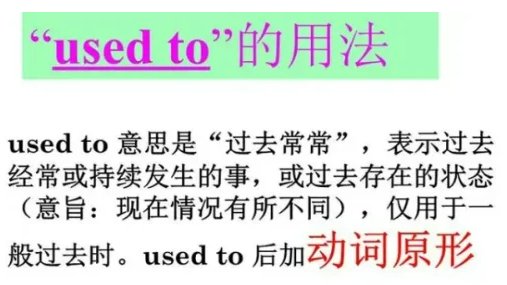
此外,use还有一些固定搭配和短语,如“be used to doing sth.”(习惯于做某事)、“used to do sth.”(过去常常做某事)等。
综上所述,use是一个多功能的词汇,其具体用法需根据上下文来确定。