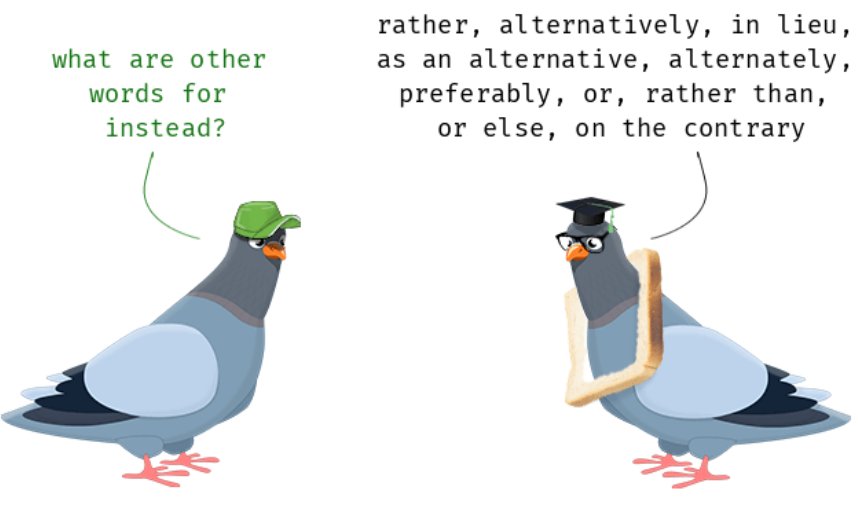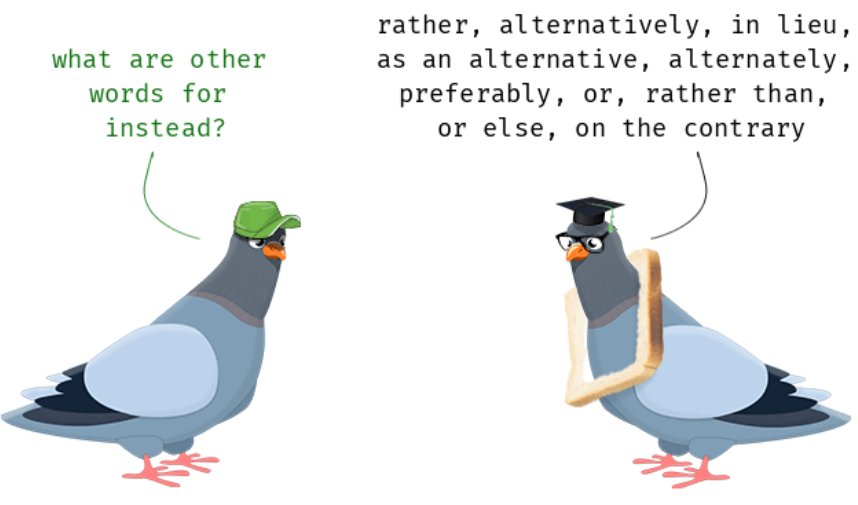

“Instead of” 是一个常用的英语短语,用于表示替代或替换的概念。以下是关于 “instead of” 的详细语法说明:
一、基本用法
代替某人/某物做某事
- 结构:“主语 + 动词 + instead of + 名词/代词 + 动名词(即V-ing形式)”
- 例句:He went to the party instead of staying at home.(他去了聚会,而不是待在家里。)
不做某事而做另一件事
- 结构:“主语 + did not + 动词原形 + instead of + 动名词”
- 注意:在这种结构中,“did not + 动词原形” 通常会被缩写为 “didn't + 动词原形”,并且这个结构更常见于口语或非正式书面语中。
- 例句:I didn't watch TV; I read a book instead.(我没看电视,而是看了一本书。)
- 更接近 “instead of” 用法的表达可以是:“I read a book instead of watching TV.”
在否定句中作为替代
- 在否定句中,“instead of” 可以直接跟在否定词后面,表示对某个动作或状态的否定,并提出一个替代方案。
- 例句:She doesn't want coffee; she wants tea instead.(她不想喝咖啡,而是想喝茶。)
二、注意事项
时态一致性
- 当使用 “instead of” 连接两个动作时,要确保这两个动作的时态是一致的。如果主句是过去时,那么从句中的动名词也应该是基于过去时的某种形式(尽管动名词本身不直接体现时态变化,但上下文会给出提示)。然而,在实际使用中,由于动名词的非时态性,这种一致性的要求并不总是严格遵循。
位置与强调
- “Instead of” 可以放在句子的不同位置以改变强调点。通常,它紧跟在它所替代的动作之前或之后。
- 例句:Instead of buying flowers, he sent her a card.(他没有买花,而是给她寄了一张卡片。) He sent her a card instead of buying flowers.(他给她寄了一张卡片,而没有买花。)
固定搭配与习语
- “Instead of” 有时会与其他词语形成固定搭配或习语,这些搭配可能具有特定的含义或用法。例如,“in place of” 也是表示替代的短语,但在某些语境中可能与 “instead of” 有细微差别。
避免冗余
- 使用 “instead of” 时要避免冗余的表达。例如,“He chose to eat an apple instead of choosing to eat an orange.” 中,“choosing to” 是多余的,可以简化为 “He chose to eat an apple instead of an orange.”
三、例句拓展
- They decided to walk instead of taking the bus.(他们决定步行而不是乘公交车。)
- She prefers reading books instead of watching movies.(她喜欢看书而不喜欢看电影。)
- Instead of complaining about the problem, let's try to solve it.(与其抱怨问题,不如试着解决它。)
通过以上内容的学习和实践运用,“instead of” 这个短语的用法应该能够被你很好地掌握和应用到实际的语言交流中。